


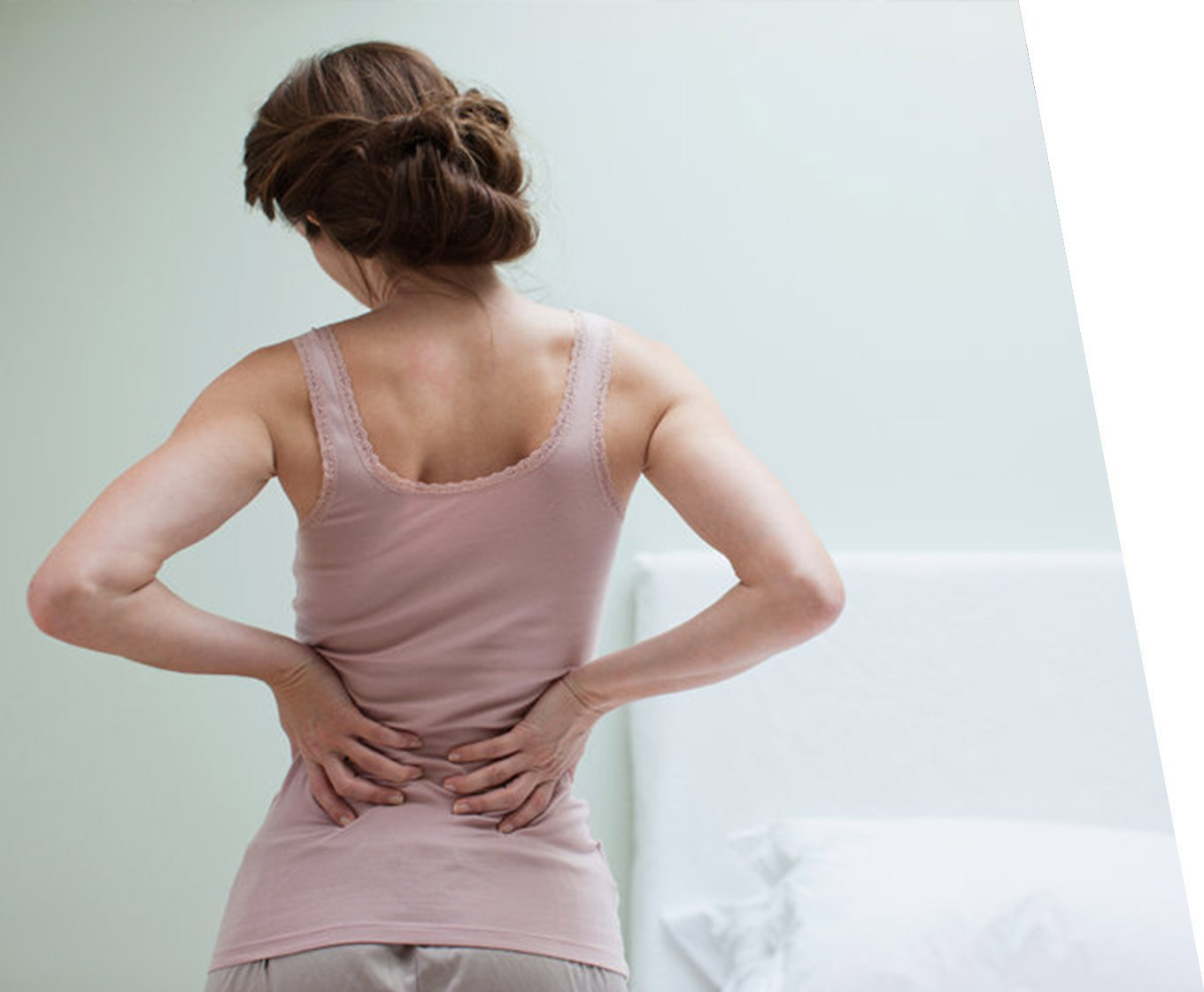
Understanding the Connection Between Herniated Discs and Sciatica
Lower back pain that travels into the buttock and leg may be a sign of sciatica, which occurs when the sciatic nerve becomes irritated or compressed. One possible cause is a herniated disc in the lumbar spine.
Understanding the connection between these conditions can help patients recognize symptoms and explore appropriate care options, including chiropractic care and spinal decompression at Village Family Clinic.
What is a Herniated Disc?
The spine contains soft discs between the vertebrae that cushion the bones and absorb pressure. A herniated disc occurs when the inner portion pushes through a weakened area of the outer layer.
When this happens in the lower back, the displaced material may irritate nearby nerve roots, causing back pain, numbness, tingling, or pain that travels down one leg.
How Can a Herniated Disc Cause Sciatica?
The sciatic nerve originates from nerve roots in the lower spine, passes through the buttock, and extends down each leg. A lumbar herniated disc can compress or irritate these nerve roots, producing symptoms associated with sciatica.
Common symptoms include:
- Radiating Pain: Discomfort traveling from the lower back or buttock down the leg.
- Tingling and Numbness: Pins-and-needles sensations or reduced feeling in the leg or foot.
- Muscle Weakness: Difficulty moving the affected leg or foot.
- Movement-Related Pain: Symptoms that worsen with sitting, bending, coughing, or sneezing.
Sciatica can also result from spinal stenosis and other degenerative spine conditions.
Common Risk Factors for Herniated Discs
Factors that may increase the risk include:
- Age-related disc changes and loss of flexibility.
- Improper lifting techniques.
- Repetitive bending and twisting.
- Excess body weight.
- Prolonged sitting and limited movement.
How Are Herniated Discs and Sciatica Evaluated?
A healthcare professional may review medical history, discuss symptoms, and perform physical and neurological examinations to assess strength, sensation, and reflexes.
When necessary, an MRI may help identify disc abnormalities and possible nerve compression. Imaging results should always be considered alongside symptoms and examination findings.
Treatment Options for Herniated Discs and Sciatica
Treatment depends on symptom severity and the underlying cause. Many cases can initially be managed with conservative approaches.
Chiropractic Care: Selected chiropractic techniques may help manage musculoskeletal discomfort and address movement limitations. However, spinal manipulation is not appropriate for every patient, especially those with significant nerve compression.
Spinal Decompression: This treatment uses specialized equipment to apply controlled forces to the spine. It may be offered to selected patients with disc-related symptoms, although evidence of its effectiveness remains limited.
Movement and Rehabilitation: Appropriate exercises and activity modifications may help support mobility and daily function.
Patients with significant or worsening neurological symptoms should receive medical evaluation before pursuing these treatments.
When Should You Seek Medical Attention?
Seek emergency care for new bladder or bowel control problems, numbness around the groin or saddle area, or rapidly progressing leg weakness. These may indicate serious nerve compression.
Persistent pain, worsening numbness, or difficulty walking should also be evaluated by a healthcare professional.
Explore Conservative Spine Care at Village Family Clinic
A herniated disc can contribute to sciatica when it affects the nerve roots in the lower spine. Identifying the source of symptoms is an important step toward appropriate care.
Village Family Clinic in Hackettstown offers chiropractic services and spinal decompression options for patients exploring conservative spine care. Contact the clinic to discuss your symptoms and learn whether an evaluation may be appropriate.